

Do Garden Lights Deter Rats
Garden Lights can make outdoor spaces feel safer and easier to manage at night, but they should not be treated as a complete rat-control method. For property managers, landscape contractors, park operators, residential community buyers, and outdoor lighting distributors, this question is important because many customers expect lighting to solve more problems than it actually can.
Rats are mainly driven by food, shelter, water, and hidden movement routes. A brighter garden may make activity easier to notice, but lighting alone will not remove the reason rats are entering the space. For B2B outdoor projects, the better way to understand garden lighting is simple: it supports visibility, inspection, and site management, while sanitation and pest-control measures handle the actual rodent risk.
Table of Contents
Lighting Helps People See The Problem Earlier
In gardens, courtyards, public walkways, residential communities, and commercial landscapes, rat activity is often discovered late. Staff may not notice damaged plants, droppings, burrows, food waste, or movement along walls until the problem has already grown.
Garden lights can help site teams inspect outdoor areas more easily after dark. A well-lit path, lawn edge, seating area, or waste collection point makes it easier for property staff to find signs of activity and respond faster. This is useful for hotels, parks, villa communities, schools, shopping centers, and public garden projects where outdoor spaces must stay clean and presentable.
The light is not scaring every rat away. Its value is that it makes the outdoor environment easier to monitor.
Dark Corners Usually Mean Poor Site Control
Rats prefer areas where they can move with cover. Dense shrubs, food waste zones, stacked materials, wall edges, drainage areas, and poorly maintained corners are more attractive than open, clean, well-managed spaces.
This is where lighting can support better outdoor management. When a garden has dark corners, staff may avoid checking those zones regularly. Once the area is brighter, maintenance teams can see trash overflow, standing water, overgrown vegetation, and possible hiding spots more clearly.
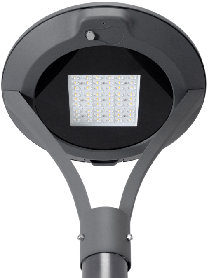
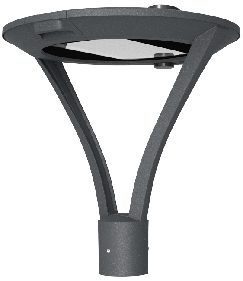
We are DONGJIN, and our Modern LED Garden Light is designed for outdoor landscapes, pathways, public spaces, and contemporary garden lighting projects. With multiple installation options, buyers can plan lighting around walkways, entrances, open garden zones, and public activity areas where night visibility matters.
Garden Lights Should Be Part Of A Wider Pest-Prevention Plan
For project buyers, the safest message is not “garden lights deter rats.” A more practical message is that good outdoor lighting helps support a cleaner and more controlled site.
A property team still needs to remove food sources, keep bins closed, trim vegetation, reduce clutter, fix water leaks, and block entry points. Without these steps, rats may still return, even if the garden is brighter at night.
For hotels, residential compounds, campuses, and public parks, this combined approach is more realistic. Lighting improves visibility. Cleaning removes attractants. Landscaping control reduces shelter. Pest-management teams handle active infestations. When these actions work together, the site becomes harder for rodents to use.
Outdoor Lighting Must Stay Reliable In Real Weather
Garden lighting is often installed in exposed environments. Rain, dust, humidity, wind, and temperature changes can affect performance if the fixture is not designed for outdoor use. For property managers and contractors, a light that fails quickly creates another maintenance problem instead of helping site management.
DONGJIN’s Modern LED Garden Light uses a die-cast aluminum body, high-performance 5050 LEDs, IP66 protection, IK08 impact resistance, and a 10KV surge protector. These details matter for B2B buyers because outdoor lighting should remain stable after installation, especially in parks, public walkways, landscape projects, residential communities, and commercial outdoor spaces.
A failed garden light creates dark zones again. In areas where site inspection and nighttime safety matter, reliability is part of the lighting value.
Color Temperature And Placement Affect The Result
Garden lighting should not be placed randomly. If lights only decorate the center of a lawn but leave bins, fence lines, paths, and building edges dark, the project may look attractive but still be difficult to manage at night.
Buyers should review where people walk, where staff inspect, where waste is stored, where plants are dense, and where outdoor activity happens. The DGL01 series supports color temperatures from 3000K to 6000K, giving project buyers room to choose warmer or cooler lighting effects according to the site style and function.
For landscape projects, a softer warm tone may suit leisure areas. For public paths, commercial zones, and security-sensitive areas, a clearer neutral or cooler tone may support better visibility.
Conclusion
Garden lights may help reduce hidden dark areas and make rat activity easier to notice, but they should not be sold as a standalone rat deterrent. Rats are better controlled by removing food, shelter, water sources, and entry points. Lighting works best as part of a wider outdoor management plan.
For parks, residential communities, hotels, schools, shopping centers, and landscape projects, reliable garden lighting can make outdoor spaces easier to inspect, safer to walk through, and cleaner in appearance after dark.
If your project is trying to improve garden visibility while also reducing pest-related complaints, start by mapping the darker zones first: waste areas, wall edges, paths, shrubs, seating areas, and building entrances. Once those locations are clear, we can help review which garden light layout, mounting method, power range, and color temperature would better support the way your site is actually managed at night.
Previous: What Are Flood Lights Used For?