
How Long Do LED Flood Lights Last?
LED Flood Lights are known for long service life, but the real answer to how long they last depends on two things: how the product is rated and how it is installed and operated in the field. Many buyers expect an LED flood light to run until it suddenly goes dark. In reality, most LED luminaires are designed around gradual light output reduction over time, while drivers, seals, and thermal parts determine whether the fixture stays stable for years in outdoor environments.
For DJLUXX led flood lights, the DFL01 series lists a life span of more than 50,000 hours. That rating becomes meaningful when you understand what it represents, what can shorten it, and how to plan a lighting project so the fixtures keep their brightness and reliability for the full intended cycle.
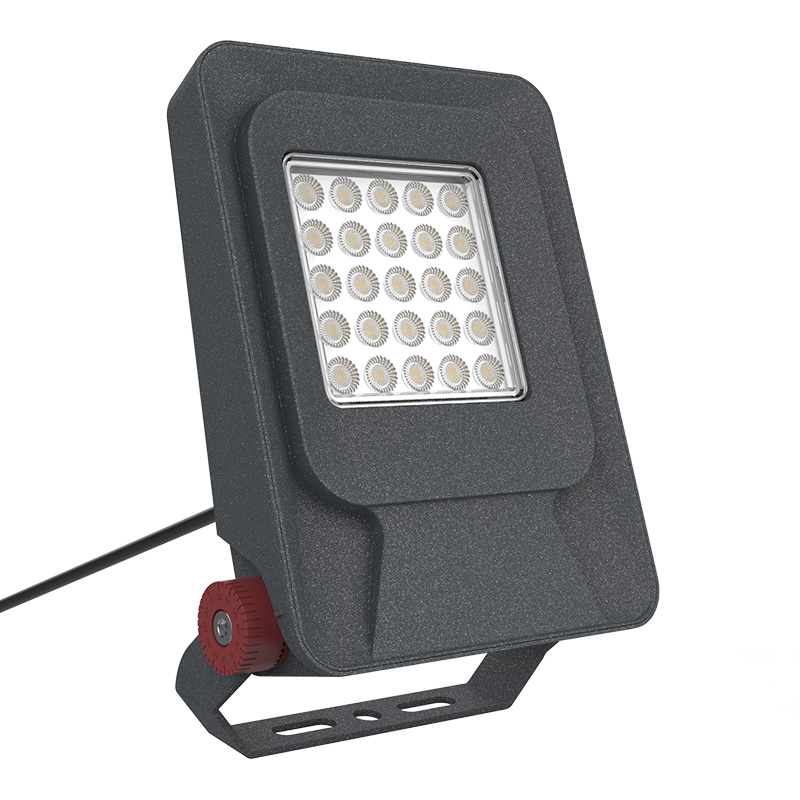
Table of Contents
- What Does LED Flood Light Lifetime Mean?
- Typical Service Life In Real-World Terms
- What Shortens The Life Of LED Flood Lights?
- How To Evaluate Flood Light Longevity Before Buying
- Installation Practices That Help LED Flood Lights Reach Their Rated Life
- Quick Reference: What Impacts Lifespan Most?
- Conclusion
What Does LED Flood Light Lifetime Mean?
LED flood light lifetime usually refers to either:
LED lumen maintenance, meaning the fixture still produces a certain percentage of its original brightness after a number of hours
System lifetime, meaning the whole luminaire is expected to operate reliably as a unit, including driver, seals, optics, wiring, and thermal design
In many outdoor projects, the system lifetime is what matters most. A high-quality LED package can be capable of long lumen maintenance, but if thermal dissipation is poor or surge events damage the driver, the fixture can fail early even if the LEDs themselves would have lasted longer.
DJLUXX DFL01 specifications include LED flux maintenance TM21. This indicates the product is designed with recognized lumen-maintenance projection practices in mind, which helps buyers evaluate long-term brightness stability rather than relying on a single marketing number.
Typical Service Life In Real-World Terms
A 50,000+ hour flood light is not a one-size number. It translates differently depending on usage time:
About 6 hours per night: roughly 22+ years of operation
About 10 hours per night: roughly 13+ years of operation
24/7 operation: roughly 5.7+ years of continuous use
These are simplified estimates to help project planning. They do not replace a maintenance plan, because outdoor installations are affected by heat, electrical events, moisture exposure, and cleaning schedules.
What Shortens The Life Of LED Flood Lights?
If you want the fixture to reach its rated lifespan, you should design around the most common life-reducers.
Thermal Stress From Heat Build-Up
Heat is the fastest way to accelerate lumen depreciation and driver aging. Outdoor flood lights must move heat away from the LED board efficiently. DJLUXX DFL01 documentation describes a heat sink design intended to keep LEDs operating at temperatures that support long service life.
Practical implications for projects:
Avoid mounting in enclosed pockets where hot air cannot escape
Keep adequate clearance from walls and ceilings
Use correct tilt angles so heat is not trapped behind structural elements
Voltage Fluctuation And Surge Events
Surges can damage drivers and shorten overall system life. The DFL01 series lists surge protector ratings that vary by power level, such as 2KV for the 15W model and 6KV for higher-power configurations.
If your installation is near switching loads, outdoor distribution panels, or lightning-prone areas, surge planning becomes part of lifetime planning:
Use proper grounding and cable routing
Consider upstream surge protection at the panel
Avoid long, loosely routed cables that behave like antennas
Water Ingress, Dust, And Outdoor Impact
Outdoor flood lights must resist rain, dust, and physical stress. DFL01 models list IP66 for ingress protection and IK08 for impact resistance. These ratings help protect seals, optics, and internal components, which supports long-term reliability in outdoor installations.
Even with a high IP rating, poor installation can compromise lifespan:
Incorrect cable glands or damaged gaskets allow moisture paths
Over-tightening can deform sealing surfaces
Improper mounting can cause vibration that loosens fasteners over time
Environmental Temperature Extremes
Ambient conditions affect both driver electronics and LED performance. The DFL01 series specifies an ambient temperature range from -40°C to +50°C. Operating outside design limits will typically reduce life expectancy, especially if heat is combined with long daily operating hours.
How To Evaluate Flood Light Longevity Before Buying
To judge how long a flood light will last for your project, focus on the indicators that correlate with real reliability rather than only the lumen or watt number.
Key items to confirm:
Rated life hours and how that is defined, such as 50,000+ hours
Lumen maintenance method such as TM21
Surge protection capability
Outdoor durability ratings like IP66 and IK08
Temperature range for your climate
Warranty coverage to support project risk control, such as 5 years after-sales warranty
Installation Practices That Help LED Flood Lights Reach Their Rated Life
Many early failures come from avoidable installation issues. These practices are simple, but they have an outsized impact on long-term results.
Mount For Cooling Leave airflow around the housing and avoid heat traps. Heat accumulation raises internal temperature, which accelerates aging.
Aim For Controlled Light Distribution Correct aiming reduces glare and also reduces the temptation to overdrive brightness by choosing excessive wattage. DFL01 models list a 90° lighting distribution, which is a common outdoor coverage configuration.
Plan Electrical Protection Use correct grounding, stable input wiring, and surge planning that matches your local grid conditions. DFL01 models support 100–277Vac input with PF≥0.9.
Seal Correctly Ensure cable entry and mounting points are not deforming gaskets. IP66 performance depends on proper assembly and installation discipline. Maintain The Optical Surface Dirt and buildup can reduce delivered illuminance, causing users to increase runtime or add extra fixtures. DFL01 descriptions note a smooth surface design intended to reduce dust and debris accumulation.
Quick Reference: What Impacts Lifespan Most?
| Factor | What It Affects | Practical Result |
|---|---|---|
| Heat management | LED lumen maintenance and driver life | Faster dimming or early driver failure if overheated |
| Surges and unstable power | Driver stability | Random shutdowns or reduced reliability over time |
| Water and dust exposure | Seals, optics, wiring | Corrosion, fogging, or intermittent faults |
| Ambient extremes | Electronics and thermal balance | Shorter effective service life in harsh climates |
| Mechanical impact | Housing integrity | Cracks and seal failure risk in exposed locations |
Conclusion
Most modern LED flood lights are built for long operating cycles, but the actual lifespan is determined by system design and installation quality. For DJLUXX DFL01 LED flood lights, the specification lists more than 50,000 hours of life, along with durability and protection factors such as IP66, IK08, a wide -40°C to +50°C operating range, and defined surge protection levels that support outdoor reliability. If you plan for heat dissipation, surge conditions, sealing discipline, and routine cleaning, you can realistically target long service life with stable brightness and fewer maintenance interruptions.
To review models and configurations for your project, you can browse the DJLUXX LED flood lights. If you share your installation environment, daily operating hours, mounting height, and target illuminance, our team can help you select a practical setup and provide guidance on product selection and application planning.
Previous: