

How Many Lumens For Backyard Flood Light?
Choosing the right lumen output for a backyard Flood Light is less about buying the brightest option and more about matching light to the job. Too few lumens leaves dark corners and uneven coverage. Too many lumens creates glare, harsh shadows, and light spill into windows or neighbors’ yards. The most reliable way to decide is to start with what you want to illuminate, how large the area is, and how the fixture will be mounted and aimed.
This guide breaks down practical lumen ranges for common backyard zones, shows how to convert watts to lumens, and explains why beam angle and mounting height can matter as much as the lumen number. At the end, you’ll also see example lumen outputs based on DJLUXX LED flood light, so you can size fixtures for your project with fewer guesswork steps.
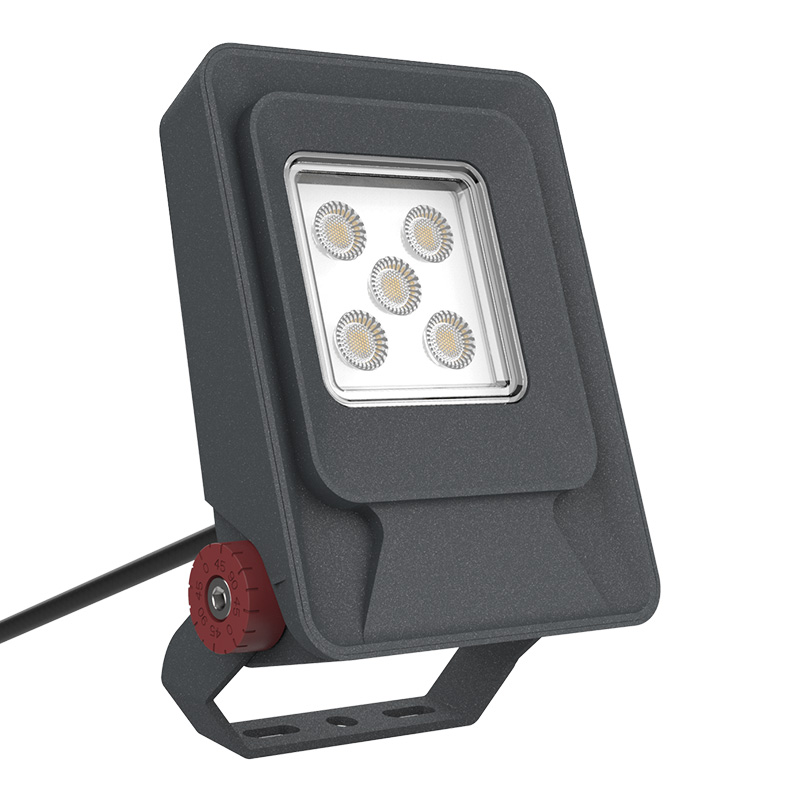
Table of Contents
- What Lumens Mean For Backyard Lighting
- Recommended Lumens By Backyard Area
- A Simple Way To Estimate Lumens You Need
- Why Beam Angle And Mounting Height Change Lumen Needs
- Watts To Lumens: Quick Conversion Using Efficacy
- How To Avoid Over-Lighting And Glare In Backyards
- Choosing Lumens With Power Quality And Reliability In Mind
- Conclusion
What Lumens Mean For Backyard Lighting
Lumens describe total visible light output from a fixture. For backyard flood lighting, lumens help you estimate how bright an area will feel and how well objects and surfaces will be defined at night. Lumens are different from watts. Watts tell you power consumption, while lumens tell you perceived brightness.
For outdoor spaces, brightness is affected by more than lumens:
Mounting height changes how spread out the light becomes.
Beam angle determines whether light is concentrated or wide.
Surface color matters: grass and dark fencing absorb more light than pale walls or concrete.
Glare control matters: a high-lumen fixture aimed too low can feel uncomfortable even if the area is “bright enough.”
If you want consistent results, treat lumens as your starting point, then refine using beam angle, height, and aiming.
Recommended Lumens By Backyard Area
Use the ranges below as a practical baseline for typical residential backyards. If your yard has very dark surfaces, tall trees, or you need clearer visibility for cameras, go toward the upper end of each range.
| Backyard Area | Typical Goal | Recommended Lumens |
|---|---|---|
| Walkways and garden paths | Safe footing and orientation | 300–1,000 lm per zone |
| Patio or deck seating | Comfortable ambient brightness | 1,500–3,500 lm |
| Small yard (relaxed lighting) | General visibility without glare | 2,000–6,000 lm |
| Medium yard (activity lighting) | Clear movement, fewer dark spots | 6,000–12,000 lm |
| Large yard or multi-zone | Broad coverage, layered lighting | 12,000–25,000+ lm |
| Driveway edge or side yard | Perimeter visibility | 2,000–8,000 lm |
| Backyard entry points | Door, gate, steps visibility | 1,000–3,000 lm |
| Sports and play area | Faster movement, higher contrast | 10,000–30,000 lm |
These are intentionally wide ranges because “backyard” can mean anything from a compact patio to a large open lawn. The next sections show how to narrow it down quickly.
A Simple Way To Estimate Lumens You Need
A straightforward method is to start from the area size and the brightness level you want.
Estimate the area you want to light (square meters or square feet).
Decide whether you want:
Soft ambient lighting
Comfortable task lighting
High-visibility lighting for security or play
Use a rough target brightness level, then scale up or down during aiming.
For backyard flood lighting, many setups fall into these practical buckets:
Ambient: lower brightness, fewer harsh shadows
Task: clearer visibility for cooking, dining, working
High-visibility: sharper definition for movement, cameras, or active zones
Because flood lights typically use wide optics, you rarely want to chase “maximum brightness.” You want controlled brightness where it matters.
Why Beam Angle And Mounting Height Change Lumen Needs
Two backyards can use the same lumen fixture and look completely different.
Beam angle: A wider distribution spreads lumens across more space, reducing brightness per square meter but improving coverage. A more focused distribution concentrates lumens, increasing brightness in the target zone. Many DJLUXX flood light configurations use a 90° lighting distribution, which is a common balance between coverage and intensity.
Mounting height: Higher mounting increases coverage but reduces intensity on the ground. Lower mounting increases intensity but can create glare and hot spots if aimed directly into sight lines.
Practical aiming tips:
Aim downward to avoid glare and light spill.
Use two medium-output fixtures rather than one extremely bright fixture when you need even coverage.
Treat corners and entry points as separate zones instead of trying to “wash” the whole yard from one position.
Watts To Lumens: Quick Conversion Using Efficacy
If you know fixture efficacy, you can estimate lumens from watts:
Estimated lumens = watts × lumens per watt
DJLUXX led flood lights list an efficacy of 150 lm/W across multiple DFL01 models.
Here are quick estimates:
| Power Option | Estimated Lumens (150 lm/W) | Typical Backyard Use |
|---|---|---|
| 15W | ~2,250 lm | Entry points, small corners, short side paths |
| 30W | ~4,500 lm | Small patio, garden feature zones |
| 50W | ~7,500 lm | Medium zones, wider driveway edge, brighter patio |
| 120W | ~18,000 lm | Large-area coverage, high-visibility lighting |
| 150W | ~22,500 lm | Larger yards, fewer fixtures with wider reach |
| 180W | ~27,000 lm | Play areas, strong visibility, taller mounting |
| 200W | ~30,000 lm | Very large zones, wide perimeter coverage |
These numbers help you choose a power class quickly, then fine-tune placement and aiming.
How To Avoid Over-Lighting And Glare In Backyards
Backyards often feel “too bright” not because of lumens alone, but because of glare and poor aiming.
Common mistakes:
Mounting too low and aiming straight out instead of down
Using one high-lumen fixture to cover multiple zones
Putting bright fixtures near seating areas where people look toward the light
Ignoring reflection off pale walls, windows, or glossy surfaces
Better approach:
Layer light by purpose: entries, paths, activity zones, perimeter
Use moderate lumens per zone and add fixtures where needed
Aim down and cross-light from two angles for fewer shadows
If your project requires weather-resistant performance, it’s also worth checking enclosure protection and impact resistance. DJLUXX DFL01 flood lights list IP66 and IK08 ratings, designed for outdoor exposure and durability.
Choosing Lumens With Power Quality And Reliability In Mind
For outdoor flood lights, brightness is only one part of “effective” lighting. Stable electrical design and environmental tolerance affect how the light performs over time.
In the DJLUXX DFL01 flood light specs, you’ll see items such as:
Wide input voltage range 100–277Vac and PF≥0.9
Surge protection listed at 2KV to 6KV depending on model
Ambient temperature range from -40°C to +50°C and lifespan >50,000 hours
After-sales warranty listed as 5 years
When you’re selecting a lumen level, it’s smart to check these reliability details too, especially for long nightly runtimes or harsher outdoor conditions.
Conclusion
For most backyards, the best lumen choice comes from zoning: choose the brightness for each area and combine fixtures for even coverage. As a rule of thumb, 2,000–6,000 lumens works well for small relaxed spaces, 6,000–12,000 lumens fits many medium activity zones, and 18,000 lumens and above is typically used when you need high-visibility coverage over larger areas. Once you have a lumen target, beam angle and mounting height determine whether that brightness feels comfortable or harsh.
To explore fixture options and power ranges for your lighting plan, you can browse the DJLUXX LED flood lights. If you share your yard size, mounting height, and the zones you want to light, UKW can help you map the right lumen level per area and recommend a practical fixture layout, including guidance for project specifications and customization needs.
Previous: How Long Do LED Flood Lights Last?