

Are LED Street Lights Cost Effective?
LED Street Lights are widely considered cost effective because they reduce electricity consumption, lower maintenance frequency, and improve lighting control compared with older technologies. The real question for most buyers is not whether LEDs can save money, but how to evaluate total cost of ownership for a specific road type, pole layout, operating hours, and electricity price.
This guide explains how to calculate cost effectiveness for LED street lighting projects, what cost drivers matter most, and how to specify fixtures so the savings are achievable in real installations. For project sourcing and model selection, DJLUXX offers solutions on its LED street light page.
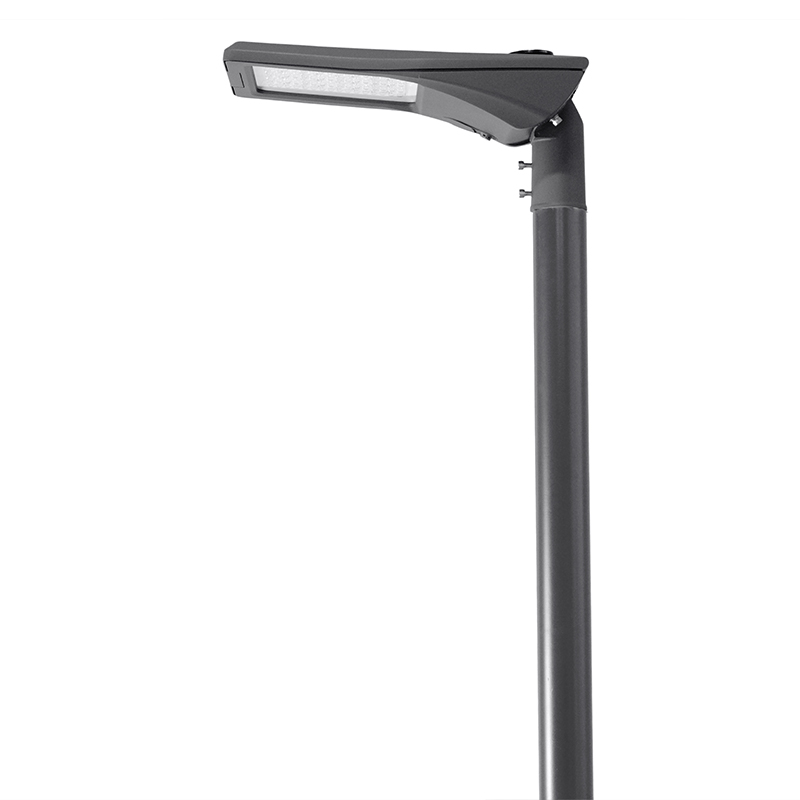
Table of Contents
- What Cost Effective Means for Street Lighting
- Why LED Street Lights Often Reduce Operating Cost
- The Main Factors That Decide ROI
- A Simple Framework to Estimate Cost Effectiveness
- Cost Drivers Buyers Often Miss
- What to Specify to Ensure LED Street Lights Deliver Savings
- Where DJLUXX Fits in a Cost Effective Street Lighting Plan
- Comparison Table: What Typically Changes When Switching to LED
- Common Buyer Questions About LED Street Light Cost Effectiveness
- Conclusion
What Cost Effective Means for Street Lighting
Cost effectiveness is best evaluated through total cost of ownership rather than purchase price. Street lights typically run for long hours each night, so operating cost usually dominates over time.
Total cost of ownership includes:
Purchase cost of fixtures and accessories
Installation labor and equipment
Electricity cost over the operating period
Maintenance cost, including driver replacement, optics cleaning, and site visits
Downtime risk and service response cost, especially for municipal roads
Any control system cost if dimming or smart management is required
A fixture that costs more upfront can still be more cost effective if it reduces power draw, site visits, and replacement cycles.
Why LED Street Lights Often Reduce Operating Cost
Lower energy use for the same lighting result
Street lighting is specified by lighting levels and uniformity, not by wattage alone. Modern LED Street Lights can deliver required roadway illumination with lower input power because more of the light is directed to the target area using optics designed for road geometries.
Cost effectiveness improves when:
Optical distribution matches the road width and pole spacing
Light is not wasted into trees, building facades, or the sky
The lighting plan meets uniformity targets without over-lighting
Longer service intervals and fewer site visits
Maintenance cost is not only parts cost. For road lighting, the expensive part is often the service visit, traffic control, lift equipment, and labor time. LEDs typically reduce the frequency of lamp changes and can reduce emergency call-outs when fixtures are selected and installed correctly.
Dimming and control options
Many road networks do not need full output all night. Dimming schedules can reduce energy use further and can extend component life by reducing thermal stress. The highest cost effectiveness typically comes from combining efficient optics with a realistic dimming strategy.
The Main Factors That Decide ROI
1. Operating hours and electricity price
Street lights run for many hours each year. Higher operating hours and higher electricity costs generally shorten payback time.
2. Existing technology being replaced
Replacing older, less efficient fixtures usually produces larger savings than upgrading from relatively efficient recent installations.
3. Maintenance approach
If the current system requires frequent relamping, emergency repairs, or high labor cost per visit, the maintenance savings from LEDs can be substantial.
4. Optical performance and layout fit
A common reason ROI underperforms is using a fixture that does not match pole spacing, mounting height, or road classification. The project then compensates by increasing wattage or adding poles, which raises both capex and opex.
5. Thermal management and driver quality
Street lights operate outdoors in heat, cold, rain, and dust. The driver and thermal design influence long-term stability. If components degrade early, cost effectiveness drops because maintenance returns.
A Simple Framework to Estimate Cost Effectiveness
You can evaluate cost effectiveness using a basic comparison model. The goal is to compare annual operating cost and maintenance cost, then determine payback based on the extra upfront investment.
Key inputs:
Existing fixture wattage and LED fixture wattage used in the lighting plan
Average nightly operating hours and annual days of operation
Local electricity price per kWh
Expected maintenance frequency and service visit cost
Expected fixture service life and warranty approach
A practical method:
Annual energy cost = kW × operating hours per year × electricity price
Annual maintenance cost = expected visits per year × cost per visit
Annual savings = old annual cost minus new annual cost
Payback period = incremental upfront cost divided by annual savings
Cost Drivers Buyers Often Miss
Controls integration and commissioning
If the project requires smart control, buyers should account for nodes, gateways, commissioning, and ongoing management. Controls can improve cost effectiveness, but only if the operating plan is clear.
Power quality and surge exposure
Road lighting can experience surge events and unstable grids. If surge protection strategy is weak, driver failures can increase maintenance cost. A cost effective solution considers electrical protection suitable for the installation environment.
Environmental conditions and cleaning cycles
Dust, salt exposure, and insects can reduce light output if optics are not maintained. Where cleaning cycles are required, fixtures with easier access and durable surface finishes can lower lifecycle cost.
Installation compatibility
If a fixture requires complex brackets or pole modifications, installation cost increases and can offset energy savings. Matching mounting methods and minimizing retrofit complexity improves cost effectiveness.
What to Specify to Ensure LED Street Lights Deliver Savings
Confirm photometric suitability, not only wattage
Request lighting distribution that fits the road type. Main road, collector road, residential street, and parking road typically require different distributions. This helps meet required levels without using unnecessary power.
Choose a practical CCT and glare control approach
Color temperature and glare control influence comfort and compliance. Proper lens and shielding choices reduce complaints and reduce rework risk.
Require stable outdoor design features
Long-term cost effectiveness depends on reliability. Buyers typically evaluate:
Housing materials suitable for outdoor operation
Sealing and dust resistance appropriate for the environment
Driver stability and thermal design
Serviceability for driver replacement if needed
Plan dimming strategy at the project level
Dimming improves cost effectiveness when the schedule matches real traffic patterns. A common approach is full output during peak hours and reduced output during low traffic hours, while maintaining safety requirements.
Where DJLUXX Fits in a Cost Effective Street Lighting Plan
DJLUXX provides LED street lighting solutions intended for municipal and commercial applications. Buyers can review product options and project selection support through the LED street light range.
For cost focused projects, practical sourcing advantages often include:
Multiple power options to match roadway layout and target lighting levels
Outdoor-ready construction for long-term service stability
Options that support retrofit and new installation requirements
Product selection support for buyers comparing different road classes and mounting conditions
These points matter because cost effectiveness depends on matching the fixture to the job rather than selecting by price or wattage alone.
Comparison Table: What Typically Changes When Switching to LED
| Cost Element | Traditional Street Lighting | LED Street Lighting | Cost Impact Over Time |
|---|---|---|---|
| Electricity use | Higher for a given lighting result | Lower when optics match layout | Usually the largest savings driver |
| Maintenance visits | More frequent lamp and ballast work | Less frequent replacements | Large savings where labor is expensive |
| Lighting control | Limited or not used | Dimming and controls are common | Adds savings if the schedule is planned |
| Light distribution | Often less targeted | More targeted roadway optics | Can reduce over-lighting and waste |
| Project risk | Older components often easier to predict but less efficient | Higher performance but needs correct specification | Correct selection protects ROI |
This table is a planning aid. Actual savings depends on layout, operating hours, and fixture specification.
Common Buyer Questions About LED Street Light Cost Effectiveness
Is the higher upfront price worth it
It is worth it when annual energy and maintenance savings exceed the price gap within the target payback period. Projects with long nightly operation and high maintenance cost per visit are usually strong candidates.
How long is payback
Payback varies by electricity price, operating hours, and baseline technology. A disciplined evaluation uses your local cost inputs and a lighting plan that confirms the LED wattage needed to meet requirements.
Do LEDs reduce maintenance to near zero
Maintenance is reduced but not eliminated. Drivers, seals, and optics still require periodic inspection in many environments. Cost effective planning assumes some level of inspection and cleaning where applicable.
What causes LED street lights to become less cost effective
Poor optical fit, inadequate surge protection strategy, poor thermal management, and incorrect installation practices can increase failures or require over-wattage, reducing savings.
Conclusion
LED street lights are cost effective when evaluated through total cost of ownership. The primary savings typically come from reduced electricity use and fewer maintenance visits, with additional savings available through dimming strategies. To achieve real ROI, buyers should specify photometric distribution, reliability features, and installation compatibility rather than selecting by wattage or unit price alone.
For buyers sourcing street lighting solutions and comparing options for different road classes, DJLUXX provides product choices through its LED street light range.
Previous: Are Garden Lights Waterproof?